Ciencia
Not All Evidence Is Created Equal
The internet is full of health advice — from Instagram influencers, industry-funded studies, and self-proclaimed experts. Here's how to tell science from noise.
por Evida Life Editorial Team · Publicado el 13 de abril de 2026 · 10 min de lectura
La crisis de confianza en la información de salud
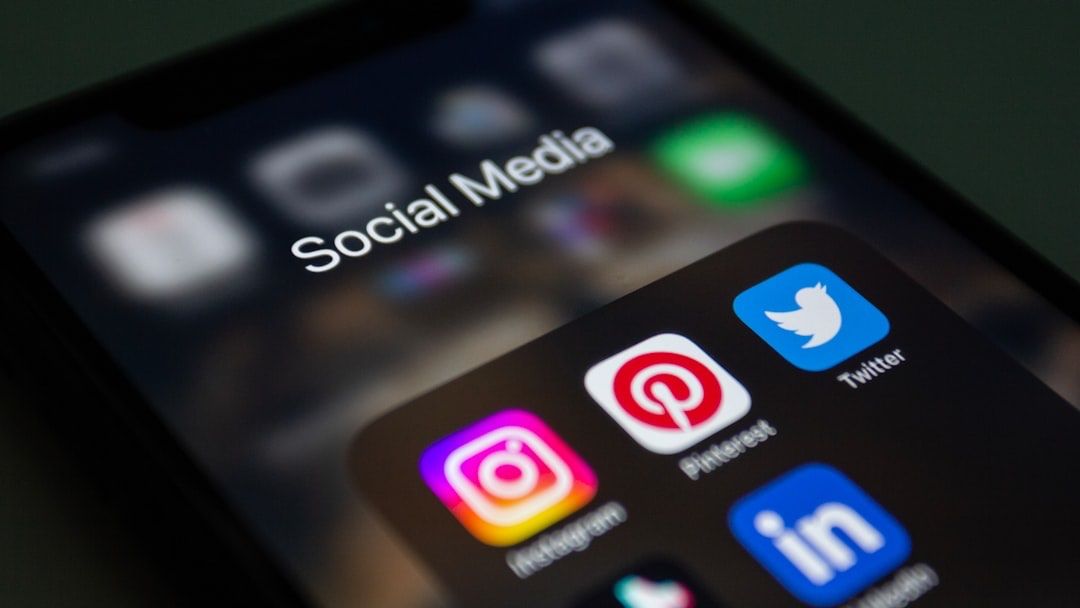
Vivimos en una era de acceso sin precedentes a información sobre salud, y también de confusión sin precedentes sobre qué creer. Una encuesta de 2023 reveló que el 65% de la Generación Z y los Millennials obtienen sus principales consejos de salud de las redes sociales en lugar de profesionales médicos. Reels de Instagram, videos de TikTok y canales de YouTube con millones de seguidores promueven con total seguridad consejos dietéticos contradictorios: carnívoro, keto, vegano crudista, evitar aceites de semillas, protocolos del "liver king" — cada uno respaldado por testimonios apasionados y estudios seleccionados a conveniencia.
El problema no es que la información no esté disponible. Es que a la mayoría de las personas nunca se les ha enseñado cómo evaluarla. No toda la evidencia tiene el mismo peso. Una historia personal no es un ensayo clínico. Un solo estudio no es un consenso científico. Y un presentador seguro de sí mismo con abdominales marcados no sustituye décadas de investigación rigurosa.
Este artículo es una guía práctica. Al terminar, sabrás cómo leer el resumen de un estudio en menos de un minuto, detectar los tres trucos estadísticos más utilizados para engañar a los lectores, y aplicar una lista de verificación de cinco pasos antes de cambiar cualquier cosa en tu dieta basándote en algo que viste en internet.
La pirámide de la evidencia
Los científicos han desarrollado una jerarquía de calidad de la evidencia. Piensa en ella como una pirámide: la base es amplia y fácil de producir, pero poco fiable, mientras que la cima es estrecha, difícil de alcanzar, pero representa el conocimiento más sólido que tenemos.
Construimos nuestras recomendaciones sobre los niveles 4 y 5: ensayos controlados aleatorizados, revisiones sistemáticas y metaanálisis. No opiniones de influencers. No estudios aislados. No tendencias.
Vale la pena detenerse en por qué la pirámide tiene esta forma. Una sola anécdota — "me pasé a la dieta carnívora y perdí 18 kilos" — te dice lo que le pasó a una persona. No dice nada sobre si la dieta causó la pérdida de peso, qué más cambió al mismo tiempo, si la persona mantendrá el peso perdido, o si el enfoque funcionaría para alguien más. Un estudio observacional de 50.000 personas es mucho más informativo, pero aún así no puede separar completamente la causa de la coincidencia: las personas que comen más verduras también tienden a hacer más ejercicio, fumar menos y ganar más dinero. Un ensayo controlado aleatorizado asigna a las personas a grupos al azar, que es la única forma fiable de descartar esos factores de confusión ocultos. Y un metaanálisis agrupa docenas de ensayos, por eso está en la cima: refleja lo que muchos equipos de investigación independientes encontraron en muchas poblaciones, no lo que un equipo encontró una vez.
Por qué la gente confía en las fuentes equivocadas
Entender por qué se propaga la desinformación es tan importante como saber cómo es la buena evidencia. Cuatro fuentes principales dominan el panorama de la desinformación en salud:
No peer review. Algorithms reward controversy over accuracy. Many promote products they're paid to endorse.
Studies funded by the food industry are 4–8x more likely to produce favorable results. Conflicts of interest are often undisclosed.
Clickbait headlines. Cherry-picked studies. "New superfood" stories that misrepresent the actual research findings.
Naturopaths, wellness coaches, and self-certified "nutritionists" making clinical claims without training in evidence-based medicine.
El patrón es claro: las fuentes en las que más confía la gente son las que tienen la evidencia más débil y los incentivos financieros más fuertes para engañar.
El problema de la ciencia financiada por la industria
Esto merece atención especial. En 2016, una investigación publicada en JAMA Internal Medicine reveló que la industria azucarera había pagado en secreto a científicos de Harvard en los años 60 para publicar investigaciones que culpaban a la grasa dietética — no al azúcar — de las enfermedades cardíacas. 1 Este único engaño moldeó las guías alimentarias durante décadas y probablemente contribuyó a millones de muertes evitables.
No es un caso aislado. Un análisis sistemático encontró que los estudios financiados por la industria de alimentos y bebidas tenían entre 4 y 8 veces más probabilidades de producir resultados favorables al patrocinador. 2 Coca-Cola financió la Global Energy Balance Network para desviar la culpa de la obesidad de las bebidas azucaradas hacia la falta de ejercicio. La industria láctea financia estudios que muestran beneficios del consumo de leche. La industria cárnica financia estudios que cuestionan los daños de la carne procesada.
Esto no significa que toda la investigación financiada por la industria esté equivocada. Pero sí significa que siempre debes verificar quién pagó un estudio antes de confiar en sus conclusiones. La mayoría de las revistas ahora exigen que los autores declaren las fuentes de financiación y los conflictos de interés en una declaración cerca del final del artículo — búscala antes de decidir cuánto peso darle a los resultados.
Cómo leer el resumen de un estudio en 60 segundos
La mayoría de las personas nunca leen más allá del titular. Los periodistas rara vez leen más allá del resumen. Puedes superar a ambos grupos aprendiendo a escanear el resumen — el breve sumario al principio de cada artículo científico — en busca de unas pocas señales específicas.
1. Diseño del estudio. Busca la descripción metodológica de una línea. Palabras que indican evidencia fuerte: aleatorizado, controlado, doble ciego, metaanálisis, revisión sistemática. Palabras que indican evidencia más débil: transversal, caso-control, observacional, cohorte, piloto, in-vitro, ratones, ratas. Ninguna descalifica automáticamente un estudio, pero un RCT te dice mucho más que una cohorte, y una cohorte te dice mucho más que un estudio en ratas.
2. Tamaño de la muestra. Un ensayo con 30 personas te dice mucho menos que uno con 3.000. Las muestras muy pequeñas producen resultados llamativos que a menudo se desvanecen cuando alguien intenta replicarlos. Sé escéptico ante afirmaciones audaces basadas en menos de 100 participantes.
3. Duración. Los estudios de nutrición son especialmente vulnerables a seguimientos cortos. Un estudio de pérdida de peso de 12 semanas no dice nada sobre si la dieta funciona a largo plazo. Cualquier afirmación sobre longevidad, riesgo de cáncer o enfermedad cardiovascular basada en un ensayo de tres meses debe tratarse como sugerente, no como probada.
4. Tamaño del efecto. Los resúmenes suelen citar el resultado principal en una sola frase. Léela con atención: ¿el efecto es grande y prácticamente significativo, o pequeño y marginalmente significativo? Un medicamento que reduce el colesterol en un 40% es significativamente diferente de uno que lo reduce en un 2%.
5. La frase de "conclusión". Los buenos resúmenes usan un lenguaje mesurado: "nuestros hallazgos sugieren," "justifica más investigación," "es consistente con." Los malos resúmenes exageran: "demuestra," "establece," "prueba de manera concluyente." La ciencia casi nunca prueba. Construye evidencia.
Trampas estadísticas comunes
Incluso cuando un estudio es real y está bien diseñado, los números pueden presentarse de formas que engañan. Estos tres trucos explican la mayor parte de la confusión en la cobertura popular de salud.
Riesgo relativo vs. riesgo absoluto. Este es el truco estadístico más común. Imagina un medicamento que reduce tu riesgo de infarto del 2% al 1%. Un titular puede reportar legítimamente tanto "reduce a la mitad el riesgo de infarto" (riesgo relativo: reducción del 50%) como "reduce el riesgo de infarto en 1 punto porcentual" (riesgo absoluto: 1%). Ambos son ciertos. Pero se sienten completamente diferentes. Una reducción del 50% suena transformadora. Una reducción del 1% apenas parece valer los efectos secundarios. Busca siempre los números absolutos, no solo la proporción.
Significancia estadística vs. significancia clínica. Un estudio con suficientes participantes puede encontrar que un efecto diminuto e irrelevante es "estadísticamente significativo" (p < 0.05), lo que significa que el efecto probablemente no se debe al azar. Eso no dice nada sobre si el efecto importa. Un suplemento que aumenta el colesterol HDL en 0,3 mg/dL puede ser estadísticamente significativo y clínicamente insignificante. Pregúntate: ¿cambiaría un médico su consejo basándose en un cambio de este tamaño?
P-hacking y comparaciones múltiples. Si realizas 20 pruebas en el mismo conjunto de datos, aproximadamente una de ellas saldrá "significativa" puramente por azar, incluso si no hay nada real ocurriendo. Los investigadores bajo presión para publicar a veces prueban docenas de variables y solo reportan las pocas que resultaron positivas. Por eso las revisiones sistemáticas y los ensayos pre-registrados (donde los investigadores se comprometen de antemano con lo que van a probar) son tan valiosos: son mucho más difíciles de manipular selectivamente.
Dos conceptos más que vale la pena conocer: el Number Needed to Treat (NNT) es el número de personas que tienen que recibir un tratamiento para que una se beneficie. Un NNT de 5 es excelente; un NNT de 200 significa que el medicamento es casi inútil a nivel poblacional. Y los intervalos de confianza te dicen el rango de efectos verdaderos plausibles: si un estudio reporta un beneficio del 30% con un intervalo de confianza del 95% de -5% a 65%, ese rango incluye "ningún beneficio en absoluto", y deberías tratar el titular con cautela.
Cómo detectar evidencia débil
Aquí hay señales de alerta prácticas de que una afirmación de salud puede no ser confiable:
Sin cita a una fuente revisada por pares. Si alguien hace una afirmación específica de salud sin enlazar a un estudio publicado, eso es una señal de alerta. Las afirmaciones legítimas siempre pueden rastrearse hasta investigación publicada.
"Los estudios demuestran" sin nombrar el estudio. Esta frase vaga a menudo oculta el hecho de que la evidencia real es débil, está tergiversada o no existe. Pregunta siempre: ¿qué estudio? ¿Publicado dónde? ¿Financiado por quién?
Dependencia de estudios en animales o in-vitro. Los estudios celulares y los modelos animales son importantes para generar hipótesis, pero frecuentemente no se traducen a humanos. Muchos compuestos que curan el cáncer en ratones tienen efecto cero en ensayos humanos.
Selección interesada de estudios individuales. La ciencia es un cuerpo de trabajo, no un solo artículo. Si alguien cita un estudio mientras ignora 20 que muestran el resultado opuesto, no está haciendo ciencia — está vendiendo una narrativa.
El presentador vende lo que recomienda. Si alguien promueve un suplemento, plan de dieta o producto del que obtiene beneficio económico, su objetividad está comprometida — independientemente de sus credenciales.
Apelaciones a lo "ancestral," "natural," o "lo que comían nuestros abuelos." La naturaleza no es una madre gentil. Las poblaciones pre-modernas a menudo morían jóvenes por infecciones, complicaciones del parto y desnutrición. "Natural" no es una categoría científica; "funciona en un ensayo debidamente controlado" sí lo es.
Casos de estudio y testimonios milagrosos. Una sola historia de transformación es la evidencia más débil posible. Las personas se recuperan de enfermedades por cientos de razones que no tienen nada que ver con la intervención que atribuyen. Si la afirmación solo puede respaldarse con anécdotas, no está respaldada.
Una lista de verificación de cinco pasos para evaluar cualquier afirmación de salud
La próxima vez que veas una afirmación audaz de salud en internet, pásala por estas cinco preguntas antes de cambiar cualquier cosa en tu vida.
1. ¿Hay una cita revisada por pares? Si no hay enlace a un artículo publicado, detente aquí. Si hay un enlace, ábrelo y lee al menos el resumen.
2. ¿Qué tipo de estudio es? Un ensayo controlado aleatorizado o metaanálisis es mucho más fuerte que un solo estudio observacional, que es mucho más fuerte que un experimento en ratones o un reporte de caso. Usa la pirámide.
3. ¿Quién lo financió? Mira la sección de "Financiación" o "Conflictos de interés". Si el financiador tiene un interés económico en el resultado, ajusta tu confianza a la baja — no a cero, pero significativamente.
4. ¿El tamaño del efecto es lo suficientemente grande como para importar? ¿Se reporta en términos absolutos, o solo como proporción? ¿El cambio haría una diferencia clínicamente significativa, o es estadísticamente significativo pero prácticamente diminuto?
5. ¿El cuerpo de evidencia está de acuerdo? Un solo estudio nunca es suficiente. ¿Una revisión sistemática o un organismo de guías importante (WHO, AHA, EAT-Lancet, NICE) llega a la misma conclusión? Si no, trata la afirmación como interesante pero no probada.
Si una afirmación falla en cualquiera de los pasos 1-3, probablemente no debería cambiar tu comportamiento. Si pasa los cinco, vale la pena tomarla en serio.
Nuestros principios de evidencia
En Evida Life, seguimos principios estrictos para evaluar la evidencia:
Solo fuentes revisadas por pares — Nos basamos exclusivamente en estudios publicados en revistas científicas revisadas por pares y evaluados por expertos en el área. Esto significa que la investigación ha sido escrutada por científicos independientes antes de su publicación.
Preferencia por metaanálisis — Los estudios individuales pueden ser engañosos debido a tamaños de muestra pequeños, variables de confusión o anomalías estadísticas. Cuando es posible, priorizamos revisiones sistemáticas y metaanálisis que sintetizan grandes cuerpos de evidencia a través de múltiples estudios.
Actualización continua — La ciencia no es estática. Revisamos regularmente nuestras recomendaciones y las actualizamos a medida que surge nueva evidencia. Lo que se creía hace 10 años puede haber sido refutado por mejor investigación.
Incertidumbre transparente — No todo está probado más allá de toda duda. Comunicamos claramente dónde la evidencia es fuerte, dónde está emergiendo y dónde se necesita más investigación. La honestidad sobre la incertidumbre es una señal de integridad científica.
Enfoque en el estándar de oro — El estándar de oro en investigación médica es el ensayo clínico aleatorizado, doble ciego y controlado con placebo. Priorizamos la evidencia de RCT sobre datos observacionales, y las revisiones sistemáticas sobre estudios individuales.
Sin conflictos comerciales — No vendemos suplementos, no aceptamos financiación de la industria y no aceptamos dinero por reseñas de productos. Nuestro único incentivo es ayudarte a vivir más y mejor.
Nuestras fuentes principales
Obtenemos nuestra evidencia de las instituciones científicas y bases de datos más respetadas del mundo:
NutritionFacts.org — revisiones de investigación nutricional actualizadas diariamente por el Dr. Michael Greger y su equipo, cubriendo cada estudio publicado en la literatura nutricional en inglés. PubMed — la base de datos de la Biblioteca Nacional de Medicina de EE.UU. con más de 36 millones de citas biomédicas. The Lancet y NEJM — las revistas médicas de mayor impacto del mundo. La EAT-Lancet Commission — el marco científico más completo para dietas saludables dentro de los límites planetarios, elaborado por 37 científicos de 16 países. 3 La investigación de Blue Zones — el estudio epidemiológico más extenso de las poblaciones más longevas del mundo. Cochrane Reviews — revisiones sistemáticas independientes y de referencia sobre intervenciones médicas, producidas por una red global de investigadores con estrictas reglas sobre conflictos de interés.
En resumen: Antes de cambiar tu dieta basándote en cualquier cosa que leas o veas, hazte tres preguntas: ¿Hay un estudio revisado por pares? ¿Quién lo financió? ¿El cuerpo general de evidencia apoya esta afirmación, o solo un artículo seleccionado a conveniencia? Si la respuesta a cualquiera de estas es insatisfactoria, la afirmación pertenece al cajón de "interesante pero no probado" — no a tu plan de comidas.
3 References
- 1Sugar Industry and Coronary Heart Disease Research: A Historical AnalysisKearns C.E. et al.·JAMA Internal Medicine· 2016study
- 2Relationship between funding source and conclusion among nutrition-related scientific articlesLesser L.I. et al.·PLOS Medicine· 2007study
- 3Food in the Anthropocene: the EAT-Lancet Commission on healthy diets from sustainable food systemsWillett W. et al.·The Lancet· 2019study
Preguntas frecuentes
¿Cómo saber si una afirmación de salud es confiable?
¿Por qué las opiniones de expertos están cerca del fondo de la pirámide de evidencia?
¿Son los ensayos aleatorizados siempre la mejor evidencia?
¿Debería confiar en los consejos de salud de los influencers?
¿Cómo verifico si un estudio está financiado por la industria?
Pregunta al coach sobre este artículo
Acabo de leer el artículo «Not All Evidence Is Created Equal». ¿Puedes ayudarme a aplicar los puntos clave a mi situación personal?
Etiquetas
Profundiza tu conocimiento en salud
Crea una cuenta gratuita para acceder al motor de investigación IA, rastrear tu nutrición y obtener información personalizada.
Registrarse gratis¿Ya tienes una cuenta? Iniciar sesión
Más artículos

Nobody Dies of Old Age
The leading causes of death are preventable. Aging is the real risk factor — and your diet directly controls 11 biological mechanisms that determine how fast you age.

Food & Longevity: What 30 Years of Research Tells Us
Tessiere et al. (2025) in Nature Medicine followed 105,015 people for 30 years to identify which foods promote — and which accelerate — aging across 6 health dimensions.