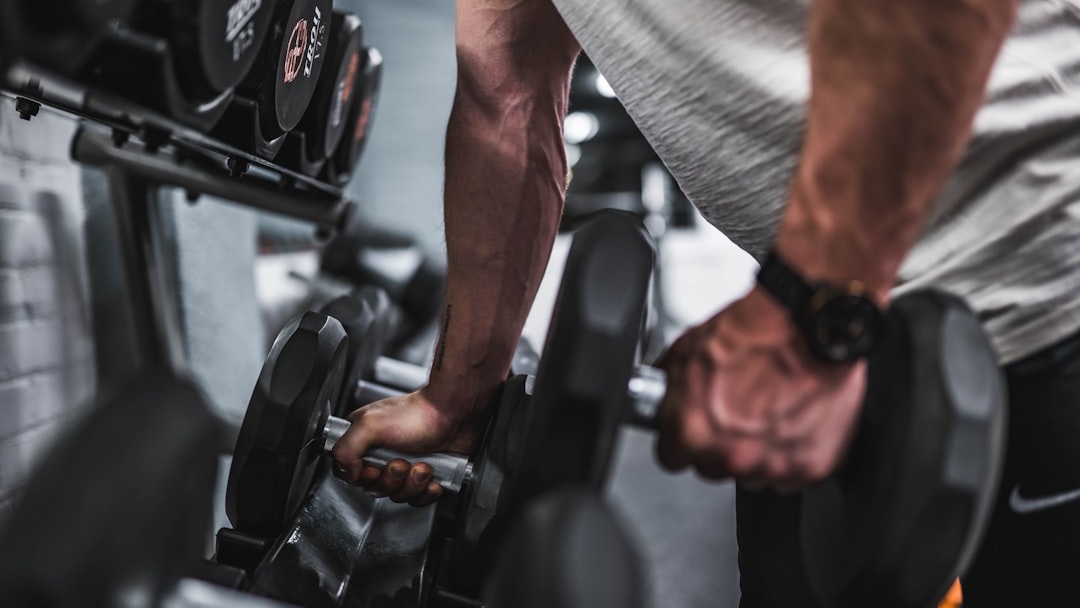
Die unterverschriebene Hälfte der Empfehlung
Frag jemanden, was „Sport" bedeutet, und fast immer wird Ausdauer beschrieben: Gehen, Laufen, Radfahren, das Laufband. Doch die offiziellen Leitlinien hatten schon immer zwei Schenkel, und der zweite ist der, der still darüber entscheidet, ob du mit 80 deine eigenen Einkäufe tragen kannst. Die großen Public-Health-Leitlinien waren immer eindeutig: Erwachsene brauchen aerobe Aktivität und muskelkräftigende Aktivität an zwei oder mehr Tagen pro Woche. Die meisten öffentlich gerichteten Ratschläge sprechen über den ersten Schenkel und lassen den zweiten weg – was ein Problem ist, denn das, was Krafttraining schützt, ist keine Eitelkeit. Es ist Unabhängigkeit. Und die Kosten, Bewegung wegzulassen, sind real: Gerätegemessene Kohortendaten schätzen, dass selbst kleine Defizite an täglicher Aktivität auf Bevölkerungsebene in vermeidbare Todesfälle übersetzt werden [1].
Hier ist die unbequeme Biologie. Etwa ab Mitte dreißig verlierst du Muskeln – zuerst langsam, dann schneller. Dieser altersbedingte Rückgang, Sarkopenie genannt, ist einer der am besten belegten Treiber von verlorener Mobilität, funktionellem Abbau, Behinderung und Verlust der Unabhängigkeit im späteren Leben [2]. Und es geht nicht nur darum, wie viel Muskel du hast: Auch die Muskelqualität – ihre Zusammensetzung und metabolische Gesundheit – verändert sich mit dem Alter, sodass das Bild reicher ist als eine Zahl auf einem Körperzusammensetzungs-Scan [2]. Bis 2050 werden schätzungsweise zwei Milliarden Menschen über 65 sein, was „Wie halten wir Muskeln bis ins hohe Alter funktionsfähig" zu einer der zentralen Fragen der Longevity-Ära macht [2].
Die beruhigende Hälfte der Geschichte ist, dass der Rückgang nicht festgelegt ist. In den Worten der MASTERS-Studie – einer randomisierten, placebokontrollierten Studie an gesunden Erwachsenen ab 65 Jahren – ist progressives Krafttraining die wirksamste bekannte Intervention zur Bekämpfung der alternden skelettmuskulären Atrophie [3]. Das ist ein ungewöhnlich starker Satz für eine klinische Arbeit, und er ist der Kern des Arguments, zweimal pro Woche etwas Schweres in die Hand zu nehmen.
Warum gerade Kraft mit gutem Leben einhergeht
Könntest du durch Heben „länger leben"? Die ehrliche Antwort ist, dass die sauberste hauseigene Evidenz von Funktion und Belastbarkeit handelt, nicht von einer garantierten Zahl zusätzlicher Geburtstage – und Funktion ist es, wie sich Longevity von innen tatsächlich anfühlt. Mehrere Stränge laufen zusammen:
- Muskel ist das Organ der Unabhängigkeit. Sarkopenie sagt die Stürze, die verlorene Mobilität, das Abrutschen in die Abhängigkeit voraus, die so oft das Ende des gesunden Lebens markieren [2]. Krafttraining ist der direkteste Hebel, den wir dagegen haben [3].
- Kraft ist ein Barometer, das du bewegen kannst. Die Griffstärke ist eines der einfachsten Maße, mit denen Kliniker die Ganzkörperkraft und Gebrechlichkeit einschätzen – und sie ist veränderbar. In der Framingham-Offspring-Kohorte, 1.746 Erwachsene über sechs Jahre begleitet, war eine höhere Eiweißzufuhr mit einer besseren Erhaltung der Griffstärke über die Zeit verbunden [4]. Kraft ist kein Schicksal; sie reagiert auf das, was du tust.
- Sie schützt dich genau dann, wenn du sonst Muskeln verlieren würdest. Während einer Gewichtsabnahme ist ein Teil dessen, was schwindet, üblicherweise fettfreies Gewebe. In The New Science of Ozempic and Weight Loss hebt Dr. Michael Greger die Lösung hervor: Über ein halbes Dutzend Studien zur Kalorienrestriktion hinweg verringerte das Hinzufügen von Krafttraining den Anteil des verlorenen fettfreien (mageren) Gewebes um 50 % oder mehr – in einigen Studien verloren die Trainierenden im Grunde gar keine Muskeln [5]. Deshalb wird Menschen, die mit modernen Abnehmmedikamenten beginnen, jetzt geraten, „ohne Verzögerung" mit Krafttraining anzufangen [5].
Keines davon ist eine randomisierte Studie, die zeigt „Heber sterben später". Sie sind das mechanistische und beobachtende Gerüst, das erklärt, warum stark zu bleiben mit gutem Altern verbunden ist – und alle weisen in dieselbe Richtung.
Was „Muskelkräftigung" wirklich bedeutet
Gute Nachricht: Die Latte für „Krafttraining" liegt weit niedriger, als das Wort „Gewichte" nahelegt. Was zählt, ist alles, was einen Muskel hart genug arbeiten lässt, dass er innerhalb von etwa einer Minute kontinuierlicher Anstrengung ermüden würde – freie Gewichte, Maschinen, Widerstandsbänder, Körpergewichtsübungen (Liegestütze, Kniebeugen, Ausfallschritte, Step-ups) oder schwere Haus- und Gartenarbeit, die echtes Heben und Graben umfasst. Du brauchst keine Langhantel und keine Fitnessstudio-Mitgliedschaft. Du brauchst Widerstand und einen Grund, ihn zu steigern.
Die Empfehlung von zwei Tagen pro Woche übersetzt sich in der Praxis in etwa so:
- Zwei 20- bis 30-minütige Ganzkörpereinheiten, von denen jede 4–6 grundlegende Bewegungsmuster berührt: eine Kniebeuge oder ein Step-up, ein Hüftbeugen (Hip Hinge), ein Drücken, ein Ziehen, ein Überkopfdrücken und ein Tragen oder Core-Halten.
- Etwa 2–3 harte Sätze mit 8–15 kontrollierten Wiederholungen pro Bewegung, ein bis zwei Wiederholungen vor dem Muskelversagen abbrechen.
- Progressive Überlastung – Gewicht, Wiederholungen oder Schwierigkeit über die Wochen hinweg anheben. Das ist die Zutat, die „Training" von „Bewegen" trennt, und das ist es, was die Studien mit progressivem Widerstand meinen [3].
Beständigkeit schlägt Heldentaten. Zwei ehrliche Einheiten pro Woche, über Monate durchgehalten, sind die Dosis, auf die die Evidenz immer wieder zeigt [3]. Und weil schon kleine Mengen regelmäßiger Bewegung Schätzungen zufolge Todesfälle abwenden, sind die Kosten, nicht anzufangen, nicht neutral [1].
Muskeln werden auch in der Küche gebaut
Krafttraining ist der Reiz; Eiweiß ist das Rohmaterial – und ältere Körper verwerten Eiweiß weniger effizient, ein Phänomen namens anabole Resistenz. Die PROT-AGE-Expertengruppe kam zu dem Schluss, dass ältere Erwachsene mehr Nahrungseiweiß brauchen als jüngere, um Muskeln und Funktion zu erhalten und sie gegen den katabolen Stress von Krankheit zu verteidigen [6]. NutritionFacts' Übersicht über die Evidenz zur Muskelmasse kommt zu einem ergänzenden, gemäßigteren Schluss: Eiweiß hilft, aber ausreichend Eiweiß über den Tag zu verteilen – zusammen mit tatsächlichem Krafttraining – ist wichtiger als das Jagen sehr hoher Gesamtmengen [7]. Auch ausreichende Mineralstoffe sind wichtig – eine systematische Übersicht bei älteren Erwachsenen fand, dass Magnesium, Selen und andere mit Maßen für Muskelmasse, Kraft und körperliche Leistungsfähigkeit verbunden waren, eine Erinnerung daran, dass eine insgesamt nährstoffreiche Ernährung das Training untermauert [8].
Und Nahrungsergänzungsmittel? Kreatin hat die meiste Unterstützung für ältere Muskeln, aber NutritionFacts' Lesart ist angemessen vorsichtig – es könnte die Zugewinne aus dem Krafttraining bei älteren Erwachsenen moderat verstärken, aber es wirkt mit dem Training, nicht statt seiner, und es ist kein Ersatz dafür, zu den Einheiten zu erscheinen [9]. Die Reihenfolge ist klar: zuerst trainieren, genug Eiweiß essen und Nahrungsergänzungsmittel als den kleinen letzten Hebel behandeln.
Wo die Evidenz dünner wird
Ein paar ehrliche Einschränkungen. Die stärkste Aussage aus dem Korpus – dass Krafttraining die wirksamste Intervention gegen Muskelabbau ist – stammt größtenteils aus Studien an älteren Erwachsenen; die Lebenszeitfrage (sterben Krafttrainierende tatsächlich später, und um wie viel) ist schwerer sauber zu beantworten, weil sich die Menschen, die heben, in vielerlei Hinsicht von denen unterscheiden, die es nicht tun. Ein Großteil der Evidenz zu Griffstärke und Eiweiß ist beobachtend, zeigt also Assoziation, keinen Kausalbeweis [4][6]. Und mehrere der unterstützenden Studien sind Übersichten oder Studien mit anderen primären Zielen (die MASTERS-Studie testete eigentlich Metformin), aus denen wir den Krafttrainings-Kontext herauslesen [3][8]. Die Richtung des Ganzen ist konsistent und biologisch sinnvoll – aber „assoziiert mit Stärke und Unabhängigkeit" ist eine besser vertretbare Aussage als „garantiert zusätzliche Jahre".
Praktische Einordnung
Wenn du bereits eine Ausdauergewohnheit hast, ist das Hinzufügen von zwei kurzen Krafteinheiten pro Woche – selbst Körpergewicht zu Hause – das ertragreichste Upgrade, das die Muskelevidenz stützt [1][3]. Wenn du bei null anfängst, gilt auch hier das Prinzip, dass etwas nichts schlägt – selbst kleine, regelmäßige Bewegungszuwächse wenden Schätzungen zufolge vorzeitige Todesfälle ab [1]. Kombiniere das Training mit genug Eiweiß, über den Tag verteilt [6][7]. Und wer Osteoporose, eine kürzliche Operation, unkontrollierten Blutdruck oder eine bedeutsame Herzvorgeschichte hat, sollte einen Plan mit der Ärztin oder dem Arzt oder einem qualifizierten Trainer abklären, bevor er Gewicht auflegt.
Das Fazit
Krafttraining ist die Hälfte der Bewegungsempfehlung, die die meisten Menschen überspringen, und es ist die, die das verteidigt, worum es bei Longevity wirklich geht: die Muskeln, die Kraft und die Funktion, die dich unabhängig halten [1][2]. Progressives Krafttraining ist die wirksamste bekannte Gegenmaßnahme gegen altersbedingten Muskelabbau [3]; es erhält magere Masse sogar während einer Gewichtsabnahme [5]; und die Kraft selbst ist veränderbar, sie reagiert auf Training und ausreichend Eiweiß [4][6]. Der Lebenszeit-Zusammenhang ist plausibel und mechanistisch sinnvoll, aber in unserer Evidenzbasis nicht präzise quantifiziert – die ehrliche Botschaft ist also nicht „heb, und du wirst länger leben", sondern „heb, und du wirst weit eher gut leben". Dieser Artikel ist edukativ und beobachtend, keine medizinische Beratung – wenn du eine klinische Erkrankung hast oder noch nie trainiert hast, erstelle deinen Startplan mit einer Ärztin oder einem Arzt oder einem qualifizierten Trainer.