Making Sense of Dairy Claims
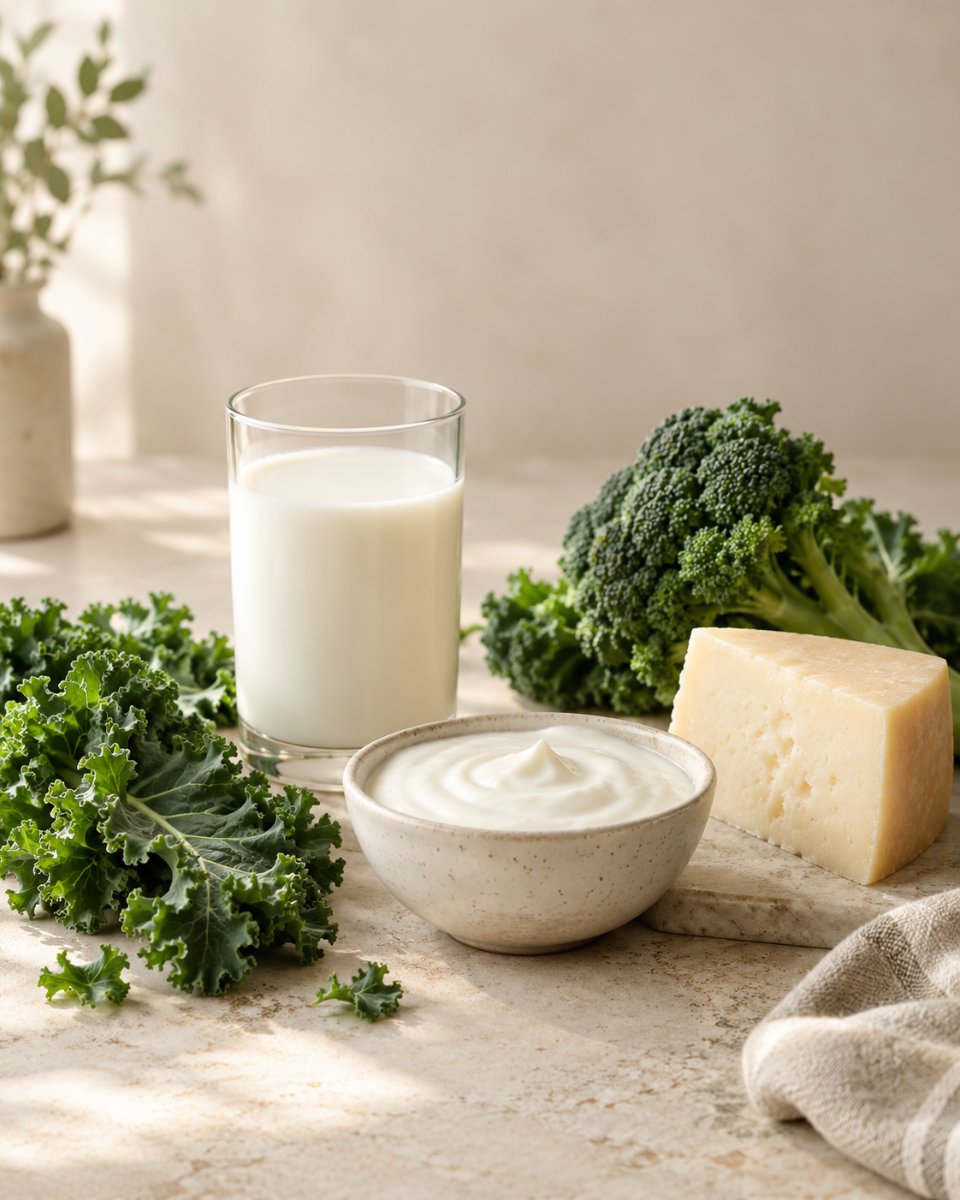
Milk, yogurt and cheese are different foods, so a finding about one should not automatically be applied to all. Trials and reviews report different results depending on the product, comparison and health outcome 121419.
This article examines common questions about lactose, calcium, weight, fermentation and food safety, then considers practical dairy-free alternatives. The aim is to help you interpret the evidence and compare foods, not to promise that one choice prevents disease.
Question #1: How Common Is Lactose Malabsorption?
Lactose is the sugar in milk. Many people develop a reduced ability to digest it after infancy. NIDDK estimates that about 68% of people worldwide have lactose malabsorption, but this is not the same as symptomatic lactose intolerance 29.
Some people with malabsorption have no symptoms. Others experience bloating, gas or diarrhoea, and the amount of lactose tolerated varies. Lactase persistence is more common in some populations; tolerance is not exclusive to people of northern European ancestry 29.
Choose foods with your own tolerance and nutritional needs in mind. If avoiding dairy, plan other calcium sources 2729.
Question #2: What Are Good Sources of Calcium?
Calcium is necessary for bone health, but dairy is one of several sources. A 2019 review highlighted weaknesses in earlier fracture trials 13. Since then, a two-year randomized trial in 60 Australian aged-care facilities found fewer fractures and falls when residents with low calcium and protein intakes received additional milk, yogurt and cheese. That result applies to the studied older population and does not prove everyone needs dairy 28. Low-oxalate greens can contribute well-absorbed calcium, but the amount absorbed also depends on how much calcium a serving contains. A high absorption percentage does not mean an ordinary serving supplies twice as much calcium as milk 27.
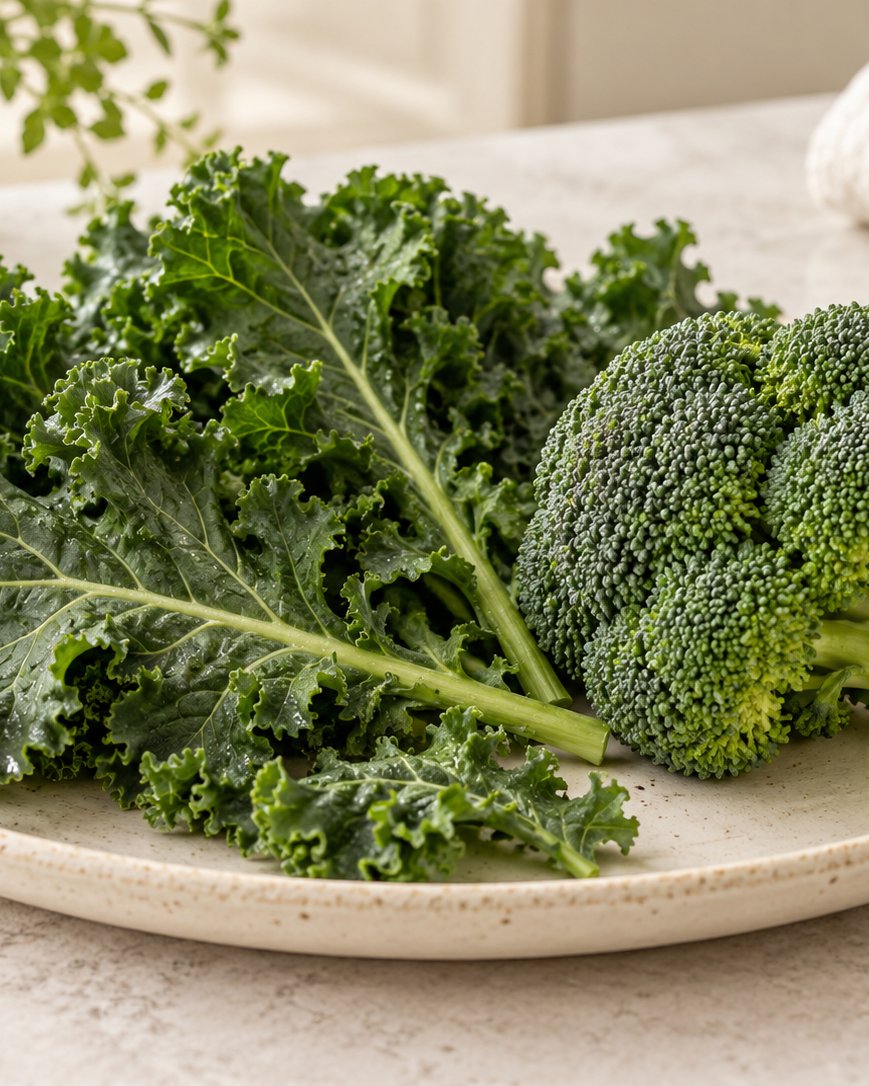
Calcium can come from dairy, calcium-fortified foods, calcium-set tofu and some vegetables. Plan the amount across the diet and consider absorption; spinach’s high oxalate content makes its calcium less available 27.
Question #3: Does Dairy Help With Weight Loss?
A 2012 meta-analysis included 29 randomized trials and 2,101 adults. Overall, increasing dairy did not significantly reduce body weight. It did produce a modest average reduction in fat mass of 0.45 kg, with substantial variation between trials. Short-term and energy-restricted trials showed more favourable results; long-term trials and trials without energy restriction did not establish a weight-loss benefit 14. Dairy is not a reliable weight-loss shortcut. The broader eating pattern and whether foods replace or add calories matter.
Question #4: How Should We Assess Cheese?
Cheese supplies calcium and protein, and many varieties contain substantial saturated fat and sodium. Its effects should be assessed as a whole food, including what it replaces. The dairy-matrix review discusses why individual nutrients do not fully predict a food’s effects 19. The mortality estimate sometimes used to condemn cheese actually concerned high-fat milk, not cheese 17. A separate meta-analysis found no association of total dairy or cheese with total cancer mortality, although results differed by product and cancer type 18. These observational findings do not establish that cheese causes or prevents disease.
Question #5: What Does the Evidence Say About Yogurt?
Yogurt is not nutritionally identical to milk or cheese. A systematic review of 108 studies found many favourable outcomes, with limitations in study design and certainty. It found a causal benefit of yogurt for lactose digestion and tolerance; most longer-term disease findings were associations 12. Those findings do not justify calling all yogurt a health cure, but they also do not justify declaring all yogurt unhealthy. Compare added sugar, saturated fat, protein and live-culture information when choosing a product. Fermentation alone does not make a food probiotic: a probiotic claim needs evidence for specific live microorganisms. Heat-treated foods may no longer contain live cultures 26.
Question #6: What Are the Risks of Raw Milk?
Raw milk has not undergone pasteurization. It can carry harmful germs, including Campylobacter, E. coli, Listeria and Salmonella. Good farm hygiene reduces contamination but cannot guarantee safety 30.
CDC recommends choosing pasteurized milk and dairy products. Pasteurized milk provides the nutritional benefits without the added infection risk of raw milk. Young children, older adults, pregnant people and people with weakened immunity are especially vulnerable to serious illness 30.
Cancer, Antibiotic Residues and Acne: Interpreting the Evidence
Dairy Milk and Breast Cancer Risk
A cohort of 52,795 North American women found a breast-cancer hazard ratio of 1.50 (95% confidence interval 1.22–1.84) comparing the 90th with the 10th percentile of dairy-milk intake over 7.9 years. This was an observational association, not a demonstrated causal effect of one cup of milk. The same study found no important association for cheese or yogurt 16.
Antibiotic Residues and Monitoring
Antibiotic residues are a monitored food-safety issue. FDA’s 2012 sampling survey investigated selected veterinary-drug residues in milk, and its explanation describes routine testing for beta-lactam antibiotics. This monitoring information does not establish that two cups of ordinary retail milk cause antibiotic resistance in the consumer’s gut. That specific exposure-and-effect claim needs direct evidence and should not be inferred from the survey 24.
Acne and Skin Health
A meta-analysis of observational studies associated milk consumption with acne. It found no significant association for yogurt or cheese 15. Association does not prove that milk causes an individual’s acne; the evidence should not be extended to all dairy products or presented as a guaranteed treatment effect.
What the Big Picture Shows
The wider evidence is more useful when dairy products and outcomes are separated. A single label for all animal foods cannot substitute for those comparisons.
| Product or outcome | What the cited evidence shows |
|---|---|
| Higher high-fat milk intake | Associated with higher all-cause and cardiovascular mortality in a cohort meta-analysis; this does not establish causation 17 |
| Cheese and total cancer mortality | No association in the cited meta-analysis; findings differed for other dairy products and cancer types 18 |
| Yogurt and fermented dairy | Many favourable findings in a broad review, with a causal lactose-digestion benefit and mainly observational longer-term disease evidence 12 |
| Dairy and body weight | No significant overall weight reduction in 29 trials; a modest fat-mass reduction and differences by duration and energy restriction 14 |
Judge each result by its study design, population, outcome and comparison. Food composition matters, but an individual nutrient does not fully predict the effect of a whole food 19.
Assess the product, the outcome and what replaces it—not the food-group label alone 19.EvidaLife editorial summary
Comparing Environmental Impacts
A 2023 review generally found lower environmental impacts for plant-based milks than for cow’s milk, while noting an important exception: the high water footprint of almond milk. Impacts depend on the crop, place and production method, and evidence is still limited for some newer products 22.
Environmental advantages do not make all beverages nutritionally equivalent. Protein, fortification and added sugar vary. Compare the label, including calcium and vitamin D; fortified soy drinks are often nutritionally closer to dairy milk than many other alternatives 2225.
Practical Takeaways: What to Do Instead
If you prefer to reduce or replace dairy, use these checks and cooking ideas to plan the change.
For Calcium
Compare calcium per serving on labels. Calcium-fortified plant beverages and calcium-set tofu can contribute; low-oxalate greens such as kale, broccoli and bok choy are other options. A food’s calcium content and the fraction absorbed both matter 27. Plant beverages vary, so check fortification rather than assuming every product matches milk 25.
For Fermented Foods and Live Cultures
Fermented foods are not automatically probiotic foods. A probiotic claim requires evidence for specified live microorganisms; some fermented foods are heat-treated or contain no live microorganisms when eaten 26. If you choose plant-based yogurt or kefir, check the live-culture information and nutrition label. Cooked tempeh or miso should not be assumed to supply live probiotics 26.
For Protein
Compare protein as well as calcium when replacing milk. Fortified soy beverages are nutritionally closer to dairy milk than many oat, nut or other beverages, which may contain much less protein 2225. For meal planning, consider dishes using lentils, chickpeas, tofu or tempeh and check the overall nutritional balance.
For Everyday Cooking
Cooking ideas to try:
- Test unsweetened oat or soy beverage in a familiar recipe; taste and texture can vary.
- Try blended silken tofu or soaked cashews in a sauce.
- Use nutritional yeast for a savoury flavour; check the label before relying on a fortified nutrient.
- Adjust seasoning and consistency to the dish.
The Bottom Line
The evidence does not support a single verdict for all milk, yogurt and cheese. Results depend on the product, the health outcome and the food it replaces; yogurt’s lactose-digestion benefit and product-specific observational findings deserve the same scrutiny as reported risks 12171819.
If you prefer a dairy-free pattern, compare the nutrition of the alternatives and plan sources of calcium, protein and relevant vitamins. Plant-based beverages vary considerably; fortification and protein content matter 22. Choose on the basis of your dietary needs, preferences and the evidence, rather than assuming every dairy product is harmful or every plant alternative is equivalent.